
- Polycystic ovary syndrome (PCOS) has a significant impact on women’s quality of life by affecting self-image and menstrual irregularities.
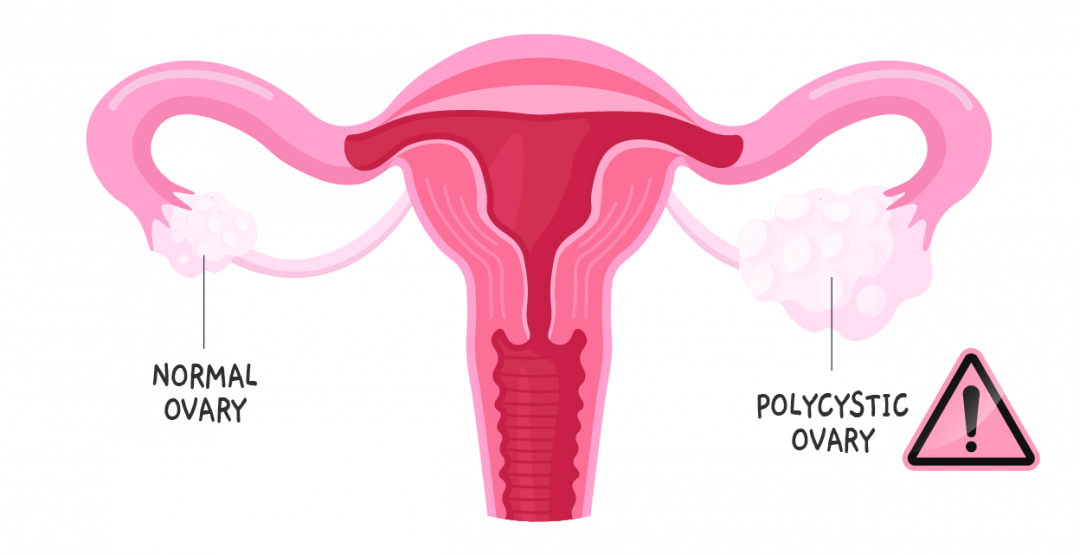
- PCOS can happen at any age after puberty, it is a common health condition caused by an imbalance of reproductive hormones that create problems in the ovaries and can affect fertility.
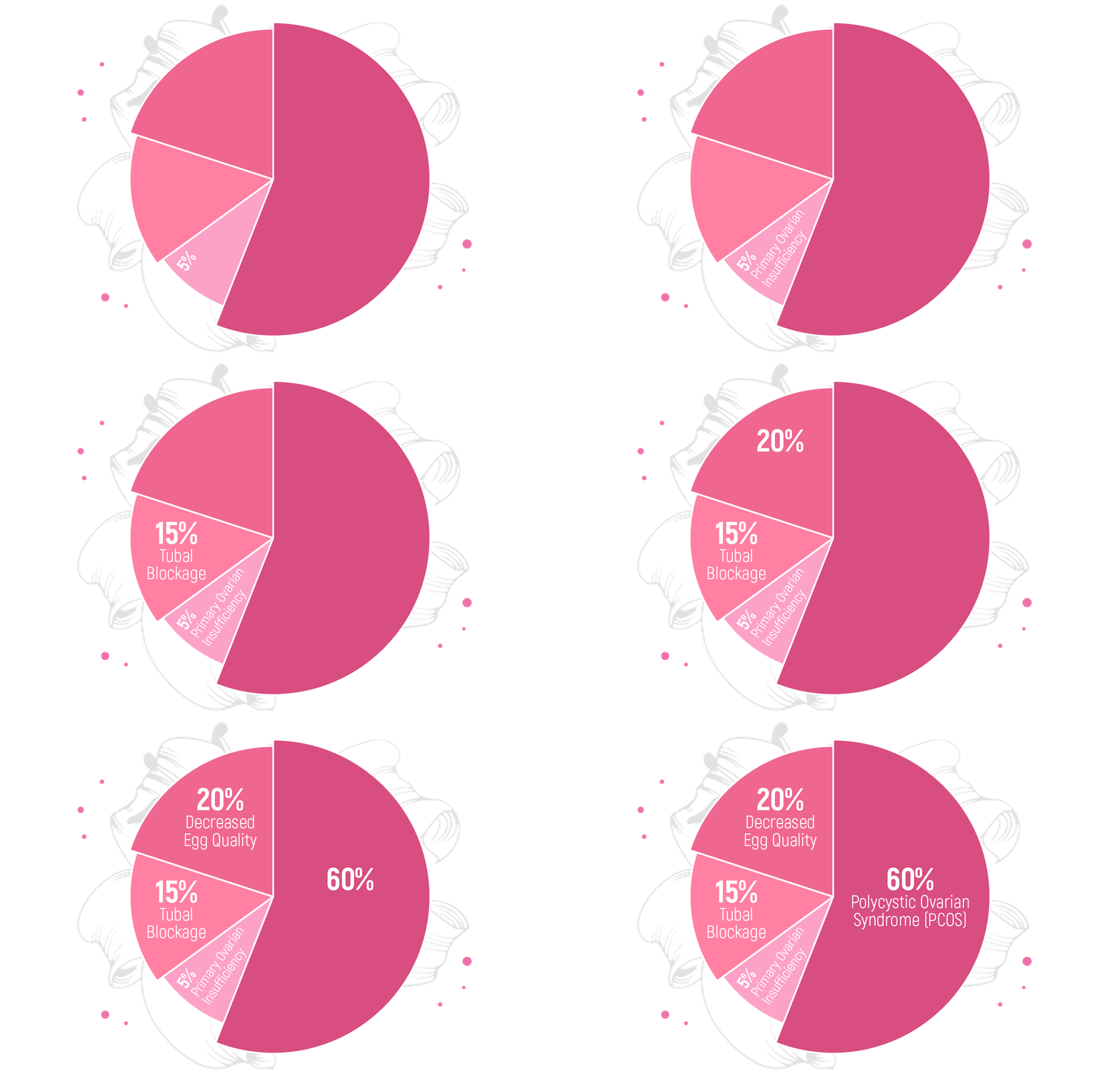
Polycystic ovary syndrome
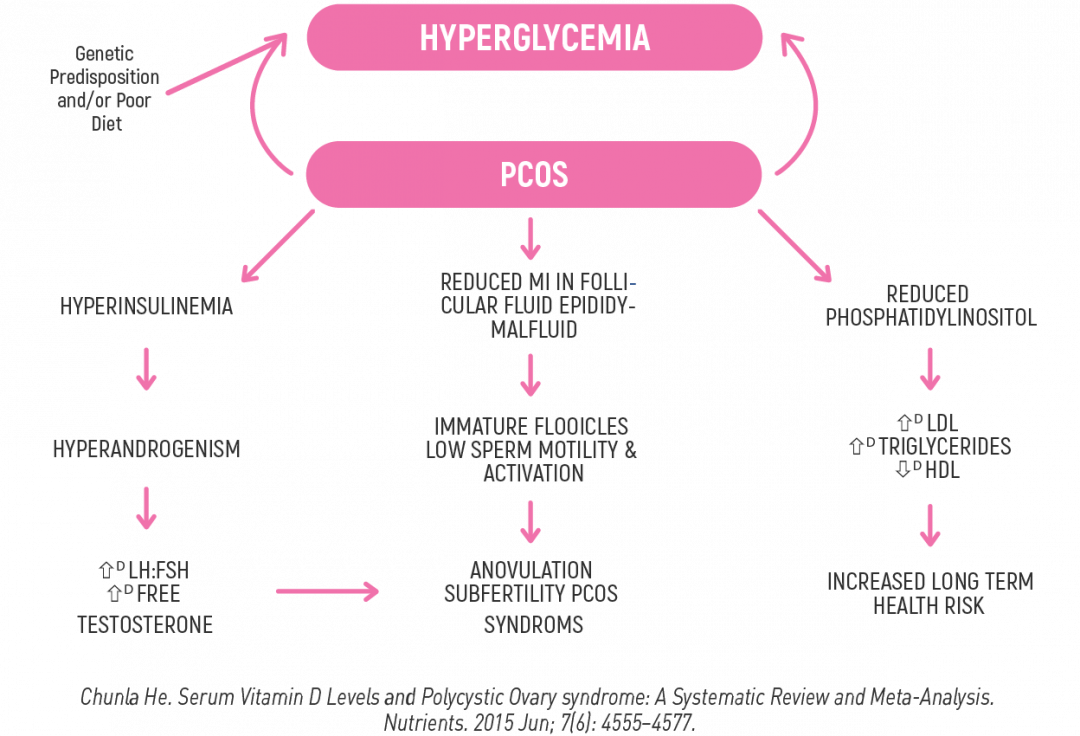
POLYCYSTIC OVARY SYNDROME AFFECTS 1 IN 5 WOMEN
Impaired glucose tolerance affects 30% – 40% of patients with PCOS. Insulin plays a direct role in the pathogenesis of hyperandrogenemia in PCOS, acting synergistically with luteinizing hormone (control ovulation) to enhance androgen production. This is why women with PCOS tend to be overweight or have acne and even growing hair in places they normally would not.

FACTOR THAT ARE CAUSING POLYCYSTIC OVARY SYNDROME
It is very important to notice that by not realizing risk factors, PCOS may appear and therefore it is very important to regulate and decrease factors that influence female’s reproductive health.
HOW TO DIAGNOSE POLYCYSTIC OVARY SYNDROME
- Clinical and/or biochemical signs (blood test) of hyperandrogenism
- Irregular periods or no periods
- Ovaries with cysts are visible on an ultrasound
Solé Pharma® Healthcare
Address
Plienciema iela 16 Marupe, Latvia, LV-2167
Phone
+371 29 48 44 03